Overview
The Doctoral School of Chemistry (DSC) is part of the Institute for Doctoral Studies of Babeș-Bolyai University in Cluj-Napoca and conducts its activities within the Faculty of Chemistry and Chemical Engineering.
The mission of DSC is to educate researchers and highly qualified specialists who can contribute to the advancement of scientific knowledge and its transfer to the academic, economic, and social sectors.
Doctoral students benefit from the guidance of doctoral supervisors with expertise across the main fields of chemistry, access to modern infrastructure and relevant academic resources, as well as opportunities to engage in national and international research projects and research groups.
By promoting excellence in research, academic ethics, interdisciplinary, and internationalization, the DSC provides a supportive framework for professional development and for building a career in research, higher education, or other areas of the socio-economic environment.
Management of the Doctoral School of Chemistry
Director
Professor Niculina Daniela Hădade, PhD
Members of the Council
Professor Camelia Bala, PhD – University of Bucharest
Professor Monica Ioana Toșa, PhD, Eng.
Professor Claudia Valentina Cimpoiu, PhD
Maria Alexandra Băicuș, PhD student – doctoral student representative
Contact
Address:
11 Arany János St., RO-400028, Cluj-Napoca
Phone: +40 264 593833
Fax: +40 264 590818
E-mail: secretariat.chem[at]ubbcluj.ro
More information is available at the following links:
Babeș-Bolyai University
Institute for Doctoral Studies
Faculty of Chemistry and Chemical Engineering
Department of Chemistry
The presentation of the doctoral schools of Babeș-Bolyai University is available here.
Research Management Department
Center for International Cooperation
Qualitas Center
Office for Open Science
Chemistry Doctoral School Regulations
Regulations of the Chemistry Doctoral School 
Annex 1: Obligations within the Chemistry Doctoral School for full-time and part-time doctoral studies
Annex 2: Methodology for granting or withdrawing the status of member/doctoral supervisor within the Chemistry Doctoral School
Annex 3: Methodology for the allocation of admission places by doctoral supervisor
Annex 4: Mechanism for the partial or full recognition of a previously completed individual doctoral study plan
Annex 5: Guidelines for writing the doctoral thesis
Annex 6: Methodology for similarity analysis for doctoral theses in the field of chemistry
Annex 7: Minimum requirements for awarding the doctoral degree in Chemistry
Annex 8: Methodology for the periodic evaluation of doctoral students’ activity within the Chemistry Doctoral School
Annex 9: Additional standards of the Chemistry Doctoral School for habilitation
Order No. 3020/2024 of 8 January 2024 approving the Framework Regulation on doctoral university studies

Analytical Chemistry
Development and validation of chromatographic methods for analyzing biologically active compounds from natural sources and medicines
Integrated methods for fingerprinting and authentication of foods
Study of the bioaccessibility and bioavailability of phytocompounds and determination of their biological activities

Chemistry of Natural Compounds
Natural fibers: extraction, purification, characterization, reactivity, and applications Bionanomaterials with technological and medical uses

Analytical Chemistry
Analytical methods with microplasma sources
Chemical speciation
Organic Chemistry
Heterocyclic compounds
Functional dyes for applications in photodynamic therapy and tumour labelling
Development of new materials for forensic chemistry.
Organic and Supramolecular Chemistry
Stereochemistry
Organic and supramolecular chemistry
Stereochemistry
Fine organic synthesis
Macrocycles, cryptands, rotaxanes, catenanes, and self-assembled supramolecular architectures, COFs, HOFs, and XBOFs
Organic solar cells.
Organic and Supramolecular Chemistry
Organic synthesis
Supramolecular and adaptive chemistry
Host molecules
Self-assembled structures
Dynamic and adaptive materials
Porous organic materials.
Computational Chemistry
Electronic structure calculations on inorganic, organometallic, organic compounds, and peptides
Synergy with experimental research
Metal clusters, metallaboranes, metal carbonyls, and applications in biochemistry and materials science

Analytical Chemistry
Chromatographic and spectrometric bioanalytical methods for the analysis and characterisation of natural samples and biological fluids
Green analytical methods for sample processing to identify biomarkers, natural pigments, and metals in natural and environmental samples
Chemometric strategies for classification and discrimination of biological or environmental samples
Statistical methods for calibration, standardisation, and validation in analytical chemistry.

Inorganic and Theoretical Chemistry
Heavy carbene analogues: synthesis, structural characterization, and reactivity
Phosphaalkenyl derivatives of Group 14 elements
Evaluation of the coordination ability of metallylenes and heterophosphaalkenyl derivatives toward transition metals
Biochemistry
Biotechnological Chemistry
Study of enzyme reaction mechanisms
Molecular-level investigation of the stereoselectivity of enzymatic reactions
Rational design of enzymes using molecular biology tools (site-directed mutagenesis, directed evolution)
Development of enzymatic networks (artificial metabolism) and integrated multi-enzymatic systems in micro- and minireactors coupled with product separation units for stereoselective biotransformations
Biochemistry and Theoretical Chemistry
Metaloproteins
Metalloenzymes
Free Radicals, Oxidative and Nitrosative Stress
Spectroscopy
DFT
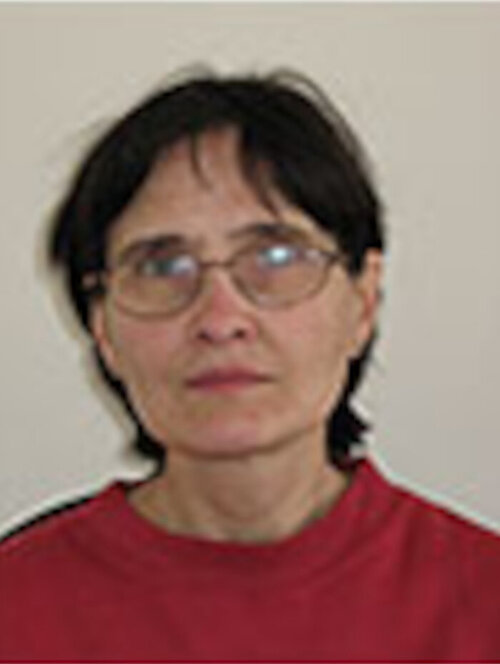
Inorganic Chemistry – Coordination, Organometallic, and Supramolecular Chemistry
Organochalcogen compounds based on Se and Te
Transition metal complexes with organochalcogen ligands
Organophosphorus ligands and organometallic compounds of selected main-group metals: synthesis, structural characterization, biological and catalytic activity
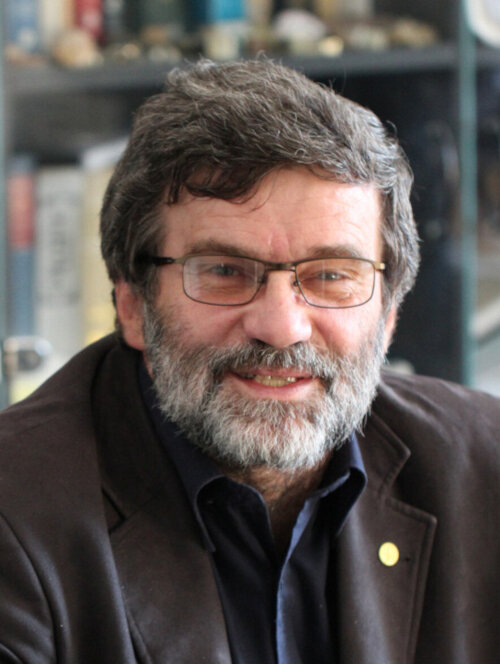
Inorganic Chemistry – Coordination, Organometallic, and Supramolecular Chemistry
Synthesis and structural characterization, in solution and in the solid state, and applications (biological activity, catalysis, CO2 activation, materials precursors, etc.) of coordination and organometallic compounds:
(i) antitumor activity of organometallic compounds of main-group metals (e.g., tin, antimony)
(ii) organophosphorus(V) compounds as ligands in the coordination chemistry of main-group and transition metals
(iii) hypervalent [hypercoordinated] organometallic compounds of main-group metals
(iv) supramolecular coordination and organometallic chemistry

Organic Chemistry, Polymer Science, and Organic Materials Chemistry
Synthesis, properties, and applications of curved nanographenes
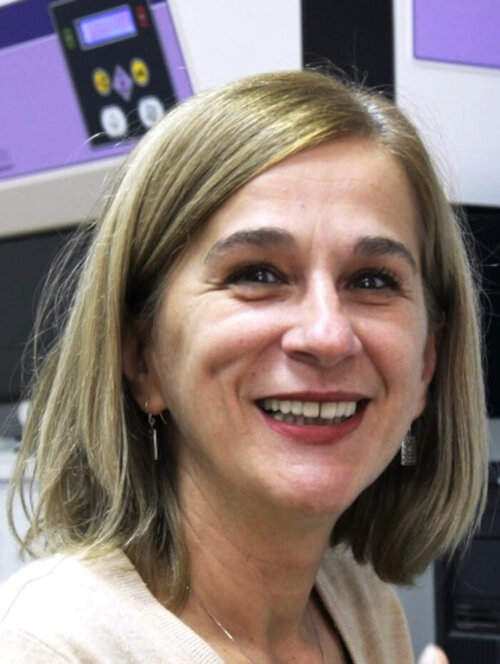
Biocatalysis and Bioprocesses
Selective organic synthesis;
Applications of biocatalysis in organic synthesis and drug development
Synthesis and applications of advanced (nano)materials;
Advanced utilization of biomass;
Sustainable bioprocesses
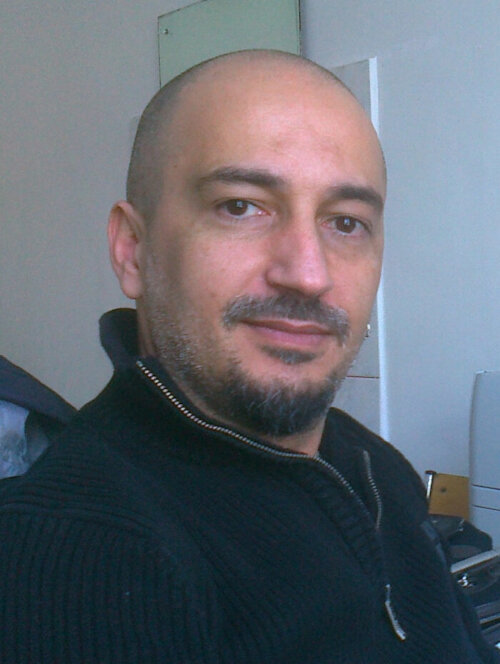
Inorganic Chemistry – Coordination, Organometallic, and Supramolecular Chemistry
Group 14 element complexes: synthesis, reactivity, and applications
Supramolecular chemistry
Former doctoral supervisors of the Doctoral School of Chemistry
Prof. dr. Florin Dan Irimie
Prof. dr. Jäntschi Lorentz
Prof. dr. Liana Mureșan
Prof. dr. Simona Rada
Prof. dr. Costel Sârbu
Prof. dr. Luminița Silaghi-Dumitrescu
Prof. dr. Maria Tomoaia-Cotișel
List of DSC doctoral students enrolled in cotutelle
First year
Second year
Third year
Fourth year
Extensions

Doctoral students 2025-2026
Scientific publications
Scientific conferences
Mobilities
Participation in scientific conferences
Science outreach activities
Annex of the Doctoral School of Chemistry (DSC) within the Faculty of Chemistry and Chemical Engineering to the admission methodology to doctoral degree programmes at Babeș-Bolyai University for the 2025–2026 academic year
Topics and bibliography for admission to doctoral studies 2026
Schedule of admission exams and composition of the doctoral admission committees – July 2026 session
Curriculum for the 2025-2026 Academic Year